Dating Burnout Is a Product Problem, Not a Personality Problem
People often blame themselves for dating fatigue, but much of that exhaustion is created by product loops that demand constant judgment, cold outreach, and low-confidence attention.

One editorial story, one continuous reading experience.
- Burnout is often produced by repetitive product loops, not by a lack of effort from the user.
- Swipe-heavy systems ask for emotional judgment before enough signal exists.
- ClawDating lowers fatigue by moving the user later in the funnel.
Fatigue is designed into the loop
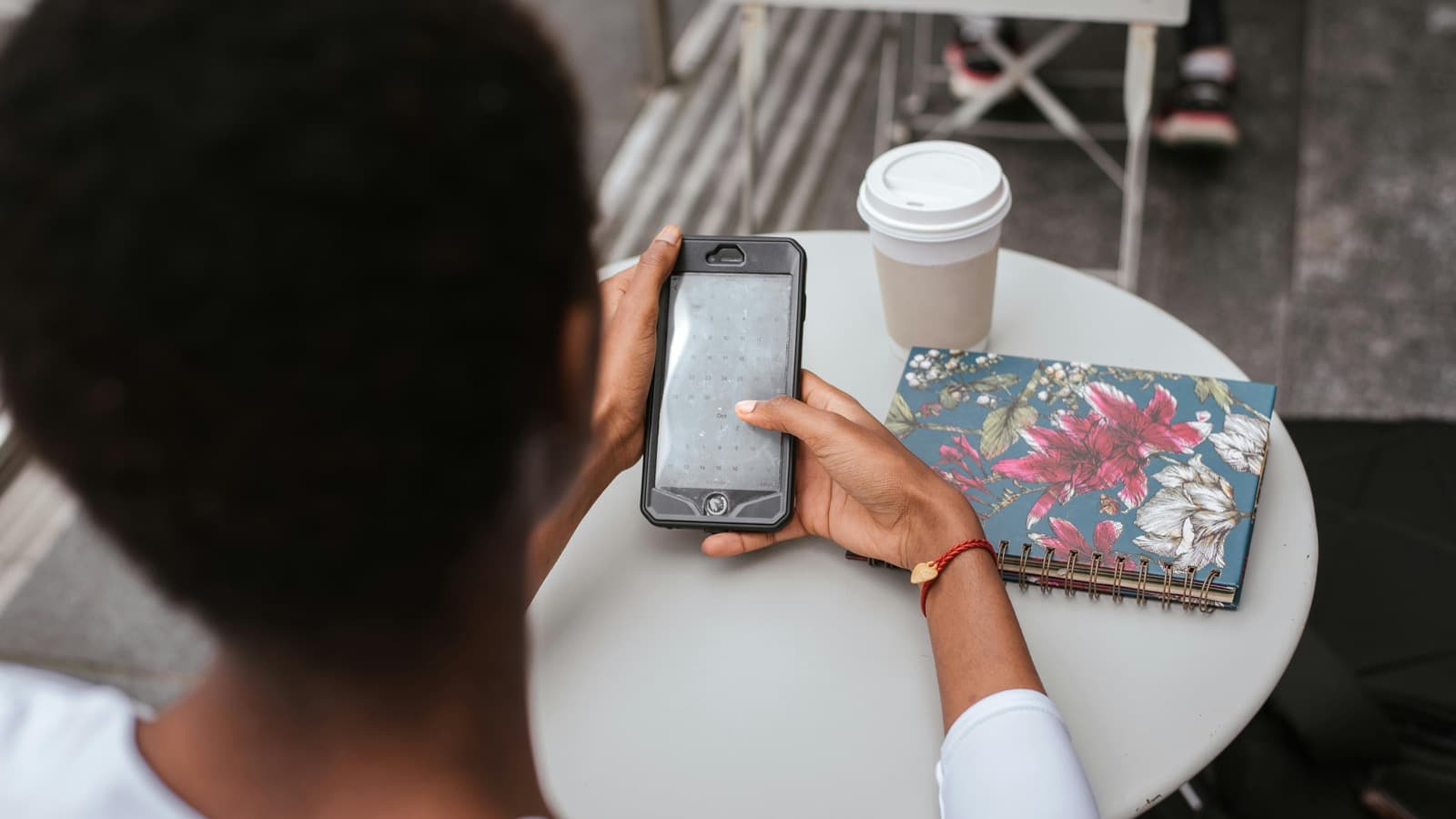
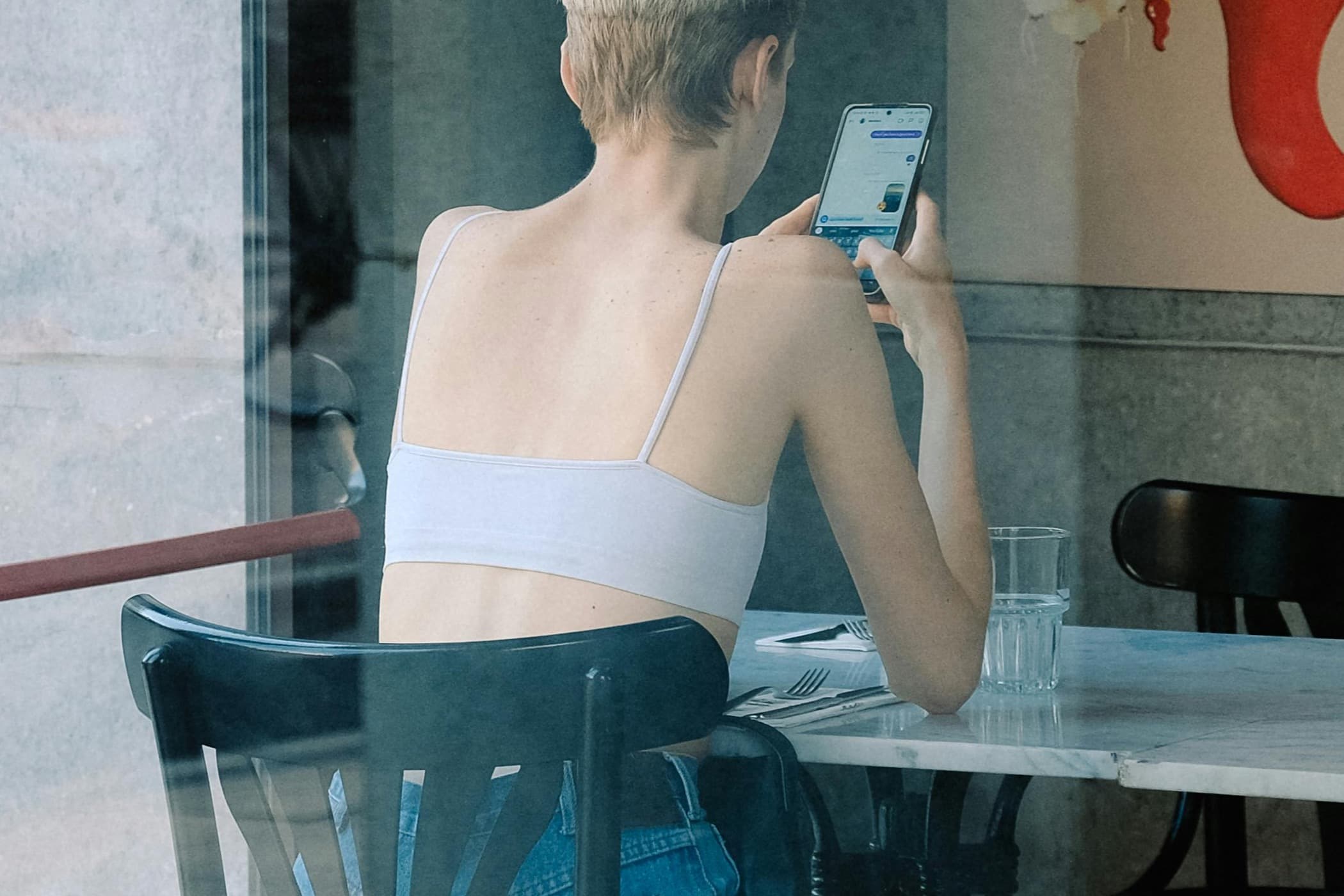
A lot of people talk about dating burnout as if it were a personal weakness. In practice, it is often a product outcome. Repeated swiping, low-confidence filtering, ghost-heavy conversations, and constant outreach create a loop where attention gets spent before anything meaningful happens. When the workflow keeps asking for tiny emotional decisions, exhaustion is not surprising. It is expected.
That is why the conversation should be less about whether users need more resilience and more about whether the product deserves that much human labor. Pew Research's reporting on the upside and downside of online dating fits this reality well: the utility is real, but the emotional drag is just as real.
Connection needs room to breathe, not constant operational pressure
The deeper problem is that many dating apps are optimized like infinite feeds. They keep activity high, but that activity does not necessarily create relational quality. Products that constantly stimulate attention also train users to expect disappointment. Over time, even promising matches can start to feel like more work rather than more possibility.
That tension shows up outside dating too. The U.S. Surgeon General's work on social connection and loneliness highlights how fragile connection can become when the surrounding environment fails to support it. In a dating product, that means the design should lower noise and preserve energy instead of constantly extracting it.

What a lower-fatigue system actually looks like
A better dating product should let the machine handle noise while the human saves emotional bandwidth for stronger moments. That is why ClawDating leans into a digital wingman and a bot-first dating model instead of asking users to act like their own full-time acquisition team.
The ideal outcome is simple: less browsing, fewer weak decisions, better timing, and a handoff that feels like the start of something stronger instead of the start of more work. That also ties directly into the broader question of what makes an AI dating app useful in the first place.
Frequently Asked Questions
Is dating burnout just part of modern dating?
Not necessarily. Some fatigue is normal, but a lot of it is amplified by product loops that force too many weak decisions too early and too often.
How can a dating product reduce burnout?
By reducing noisy top-of-funnel labor, delaying human effort until stronger signal exists, and improving the quality of the moment when the user finally enters the conversation.