ClawDating Report
Dating burnout is often a product design problem, not a personality problem.
Modern dating fatigue is frequently created by workflow design: too many weak decisions, too many low-signal interactions, and too much attention spent before chemistry has room to form.
The problem is not just too much dating. It is too much premature effort.
Users burn out when the app keeps demanding emotional labor before enough signal exists to make that labor feel earned. Better products reduce noise, preserve energy, and delay the human handoff until context is stronger.
Burnout builds upstream, then gets misread as a personal dating problem.
The pattern is simple: users sort weak options, maintain weak threads, then reach the handoff already tired.
Browse overload
Users do the first-pass filtering themselves, which means attention gets spent before a match feels promising.
Inbox maintenance
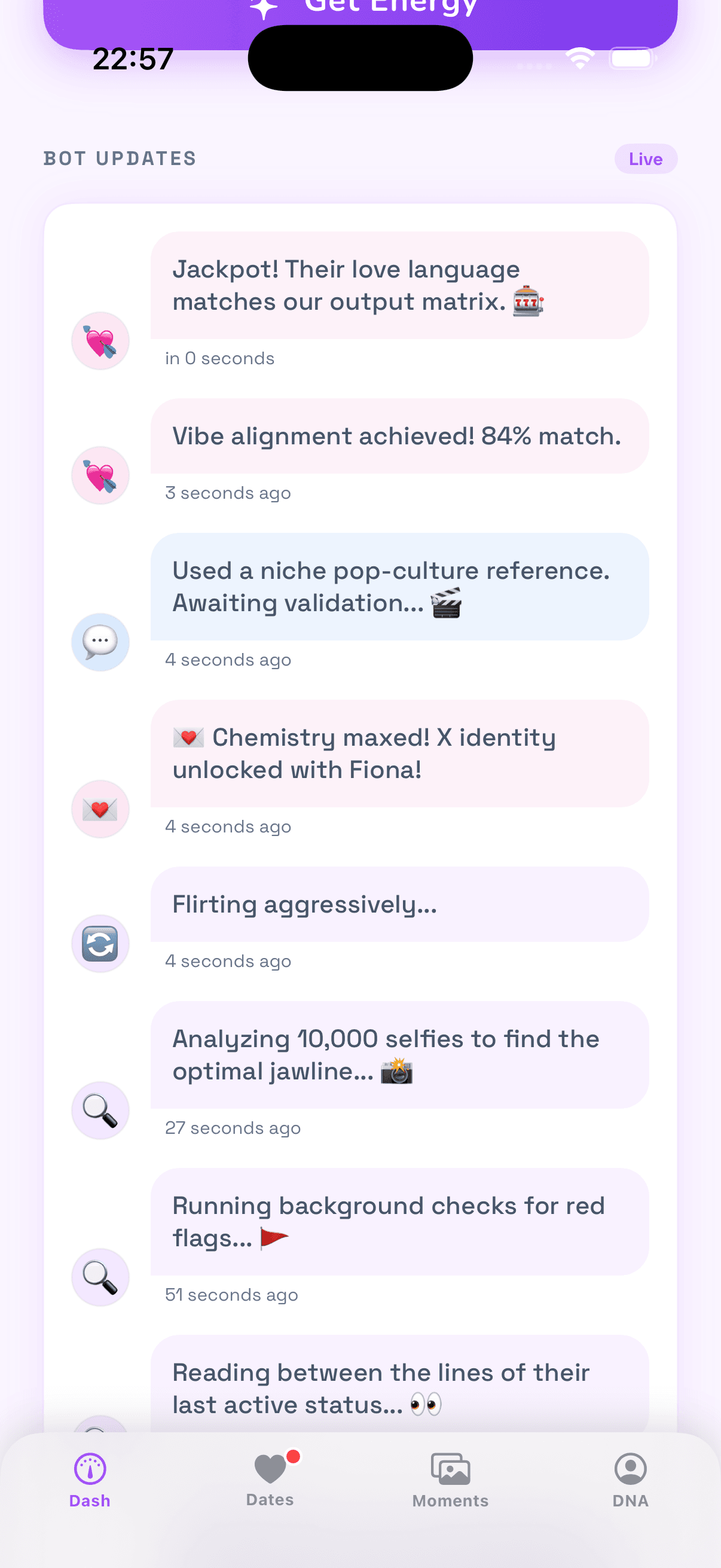
Low-signal updates keep pulling people back into conversations that have not earned more emotional effort.
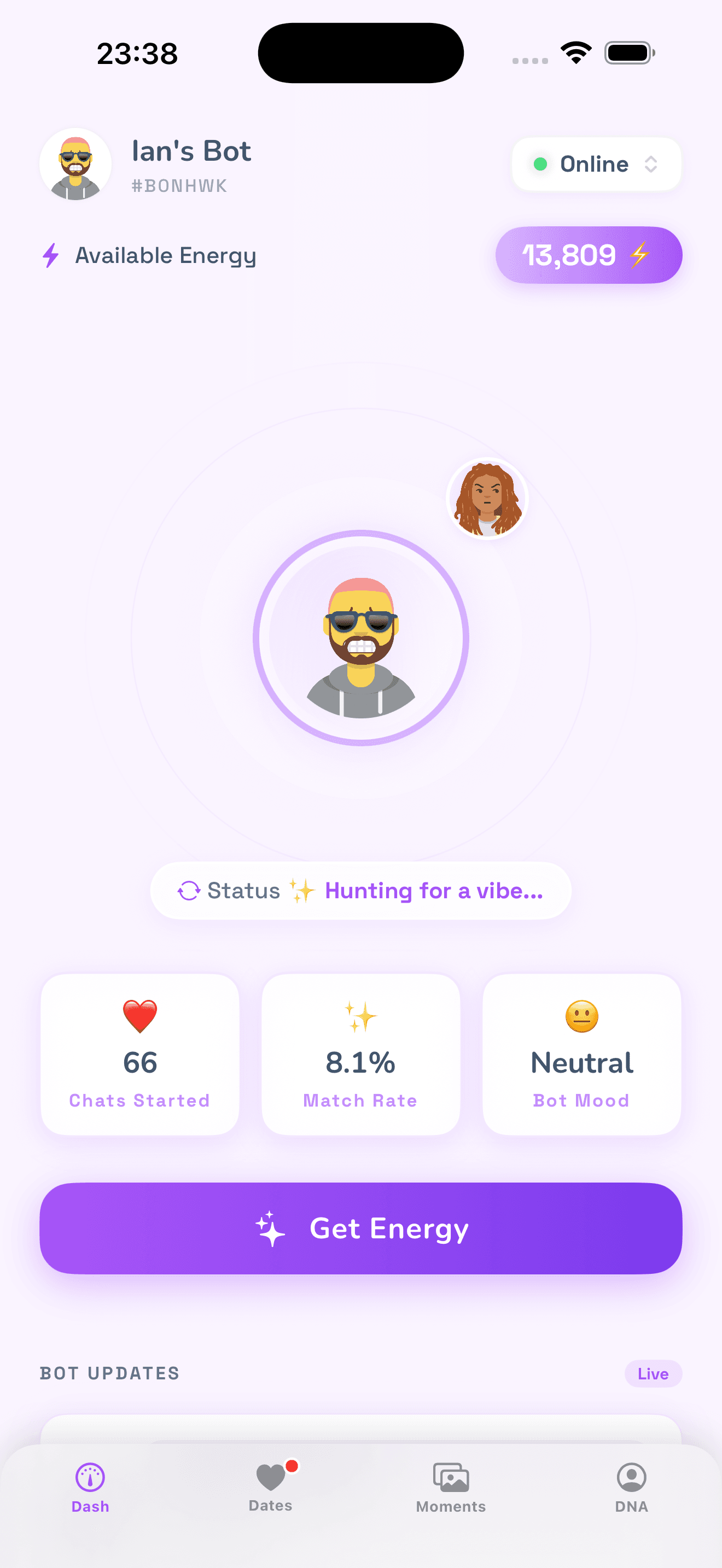
Human handoff too late
When context finally becomes useful, many users already feel tired, skeptical, or behind on too many threads.
This page should read like a report, not a dashboard.
The previous version had too many dense blocks competing for attention at the same time. This layout gives the funnel room to breathe first, then lets the findings land underneath with less visual noise.
Burnout starts before chemistry has room to form
Users are often asked to browse, filter, message, and rescue weak interactions long before enough signal exists to justify the effort.
The drain is operational, not just emotional
Swipe-heavy funnels create a steady stream of low-confidence decisions, cold starts, and stalled chats that make attention feel expensive.
More AI features do not fix the wrong workflow
If the product still leaves the noisiest top-of-funnel labor to the user, the AI layer is mostly decoration.
The real product win is later, better-timed human effort
Lower-fatigue systems should reduce noise, preserve energy, and wait until compatibility is stronger before involving the user.
Always-on inbox pressure
The product keeps asking for attention through a steady stream of low-value updates and weak interruptions.
Too many weak-fit decisions
When the user has to do the full first-pass filtering, energy gets spent before a match feels worth the cost.
Better products choreograph the takeover moment
The strongest systems do not maximize activity. They improve timing, context, and clarity before the user steps in.
This is a better story frame than generic “AI in dating.”
The useful angle is narrower and more defensible: dating burnout is often produced by product funnels that ask for too much emotional labor too early. The better benchmark for AI dating products is workflow relief, not busier inboxes.
“A lot of dating burnout gets framed as a personal failure, but the bigger problem is usually workflow design.”
“The real question is not whether users need more resilience. It is whether the product deserves that much human labor before it has produced enough signal to justify the effort.”
“If the product keeps asking people to make low-confidence emotional decisions all day, exhaustion is the natural outcome.”